How to Choose the Right Surfboard Rack for Your Ride

Buying a surfboard bike rack is easy.
Buying the right one is not.
Your bike, your surfboard and the way you ride all affect which rack will work best. In this guide, we'll help you choose the right option before you buy.
Quick Answer
If you're in a hurry, here's the simplest way to choose a surfboard bike rack.
| If you... | Start Here |
|---|---|
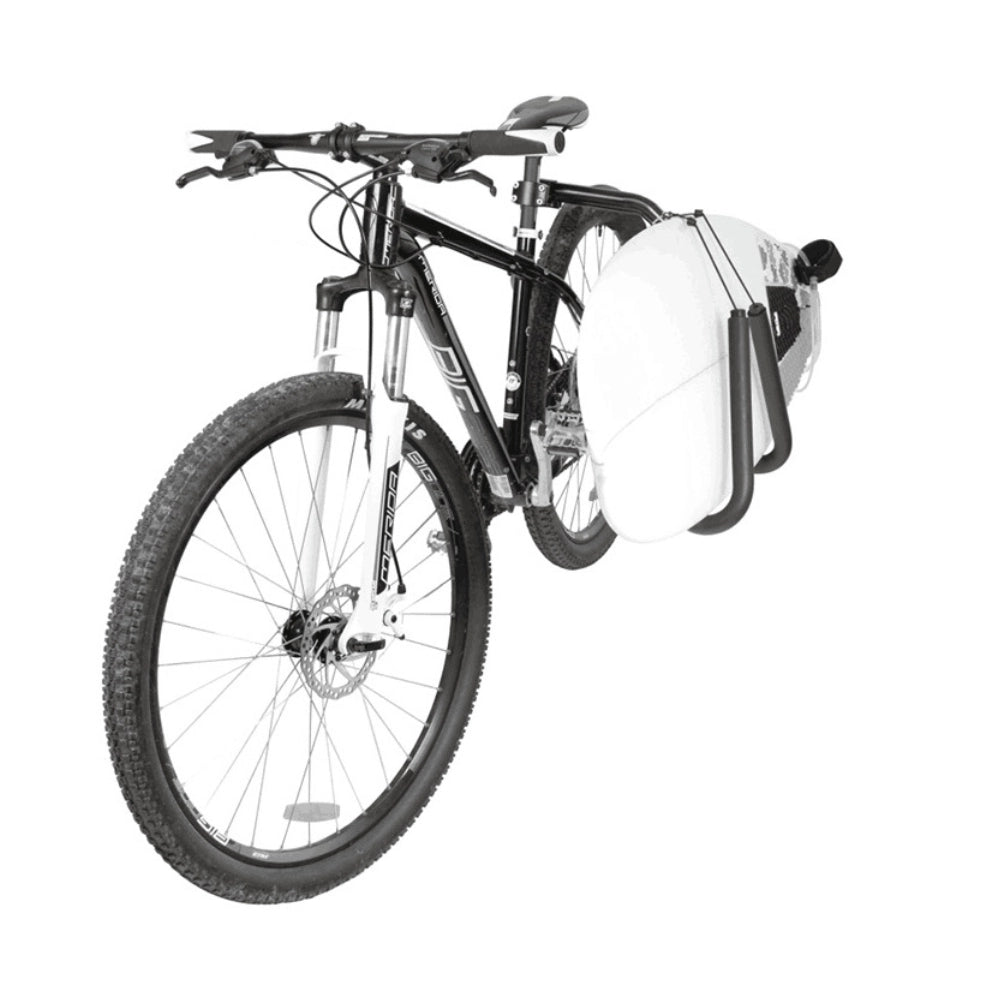
| Ride a standard bicycle with a shortboard | A side-mounted shortboard rack is usually the best choice. |
| Ride a longboard | Choose a dual-support rack for better stability. |
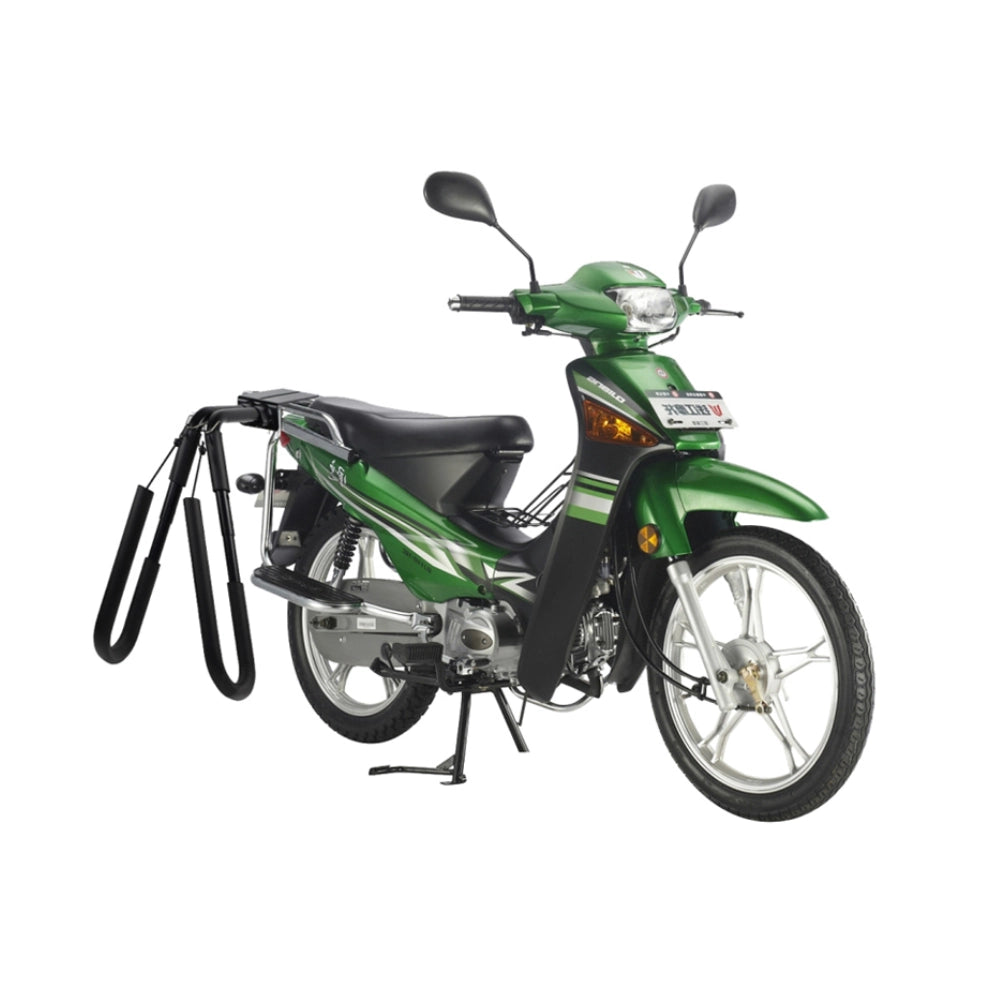
| Ride an e-bike or moped with a sturdy exposed metal rear rack | Choose a rear-mounted e-bike & moped surfboard rack designed for stronger rear-frame support and motor-assisted riding. |
| Commute by bike every day | Consider a quick-release rack that can be removed after your surf session. |
WildSurfGear Expert Tip
Don’t choose a rack based on the surfboard first. Start with your bike. The mounting method determines whether a rack is compatible long before board size becomes a factor.
1. Start With Your Bike
Many people assume that choosing a surfboard rack starts with the surfboard.
It doesn't.
The first thing to check is your bike, because different bikes use different mounting systems. Once you know where a rack can be installed, choosing the right style becomes much easier.
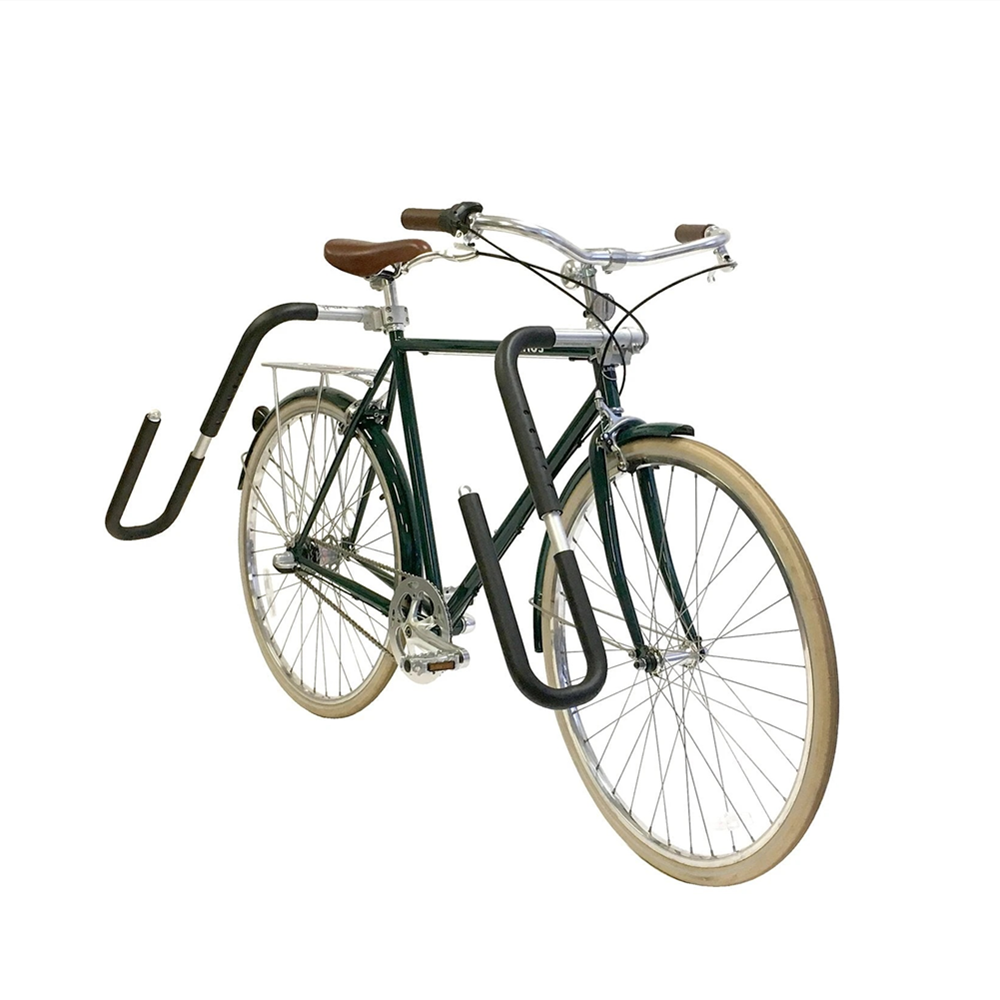
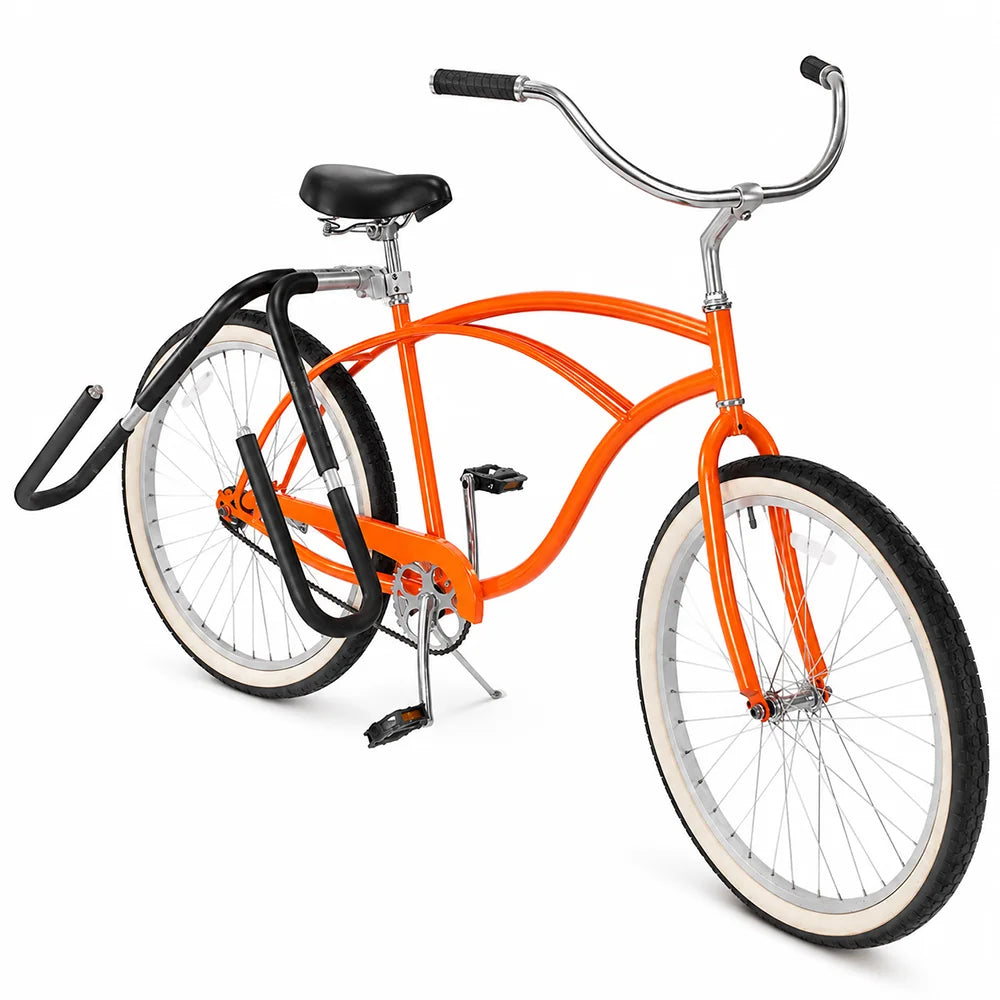
For most standard bicycles, side-mounted racks are the most common option. They're simple to install, lightweight and suitable for everyday trips to the beach.
If you ride an e-bike or moped, compatibility depends on the mounting point rather than the motor itself. Many rear-mounted racks require a sturdy exposed metal rear carrier. Without one, you'll need to look at a different mounting solution.
Rather than guessing, spend a minute checking your bike before comparing rack models. It can save time, money and the frustration of ordering the wrong product.
WildSurfGear Expert Tip
The bike determines where a rack can be mounted. Your surfboard only determines which compatible rack is the better choice.
2. Choose the Right Rack for Your Board
Once you've confirmed your bike is compatible, the next step is choosing a rack that matches your surfboard.
For most surfers, the biggest difference comes down to board length.
Shortboards are lighter and place less leverage on the rack, making them well suited to compact side-mounted designs. They're ideal for everyday trips and short rides to the beach.
Longboards are longer, heavier and require more support during transport. A rack designed to support larger boards provides better stability and helps reduce movement while riding.
Board length isn't the only factor worth considering. Construction, weight and riding conditions also affect how a board feels during transport. If you're close to the maximum recommended size, it's always worth checking the product specifications before ordering.
You don't need to know every technical detail—just make sure your rack is designed for the type of board you ride most often.
WildSurfGear Expert Tip
If you regularly switch between different boards, choose a rack based on the largest board you plan to carry rather than the smallest.
3. What Makes a Good Surfboard Bike Rack?
Once you've found a rack that's compatible with your bike and surfboard, it's worth looking beyond the basic specifications.
A good surfboard bike rack should make every ride feel stable, convenient and worry-free.
Stability
A stable rack keeps your surfboard secure while reducing unwanted movement during the ride. Whether you're cycling through city streets or along coastal paths, a well-supported board is easier to control and more comfortable to transport.
Board Protection
Look for features that help protect your surfboard during transport, such as padded contact points and secure tie-down straps. A good rack should hold the board firmly without putting unnecessary pressure on the rails.
Suitable Mounting Design
The mounting system should match the bicycle rather than forcing the rack onto an unsuitable part of the frame.
A well-matched rack should not require permanent changes to the bike or interfere with normal cycling.
Easy Installation
Most riders prefer a rack that can be installed with basic tools and removed without making permanent changes to the bike.
Quality Materials
A surfboard rack is exposed to sun, salt air and rain. Durable materials and corrosion-resistant hardware will generally last longer and require less maintenance over time.
WildSurfGear Expert Tip
Don't compare racks by the number of features. Compare them by how well they fit your bike and how often you'll actually use them.
4. Compatibility Checklist
Before placing your order, spend one minute checking your setup.
A quick compatibility check is often the easiest way to avoid returns and installation problems.
Ask yourself these five questions:
✓ What type of bike do I ride?
✓ What size surfboard do I carry most often?
✓ Does my bike have the correct mounting point?
✓ Is there enough clearance between the board, pedals and wheels?
✓ Is this rack designed for the way I normally ride? I also use the bicycle for commuting, shopping or everyday transport?
If you can answer all five questions with confidence, you're already much closer to choosing the right surfboard bike rack.
Frequently Asked Questions
Will a surfboard bike rack fit every bicycle?
No. Compatibility depends on the bicycle frame, mounting area and available clearance. Two bicycles that look similar may still require different mounting solutions.
What size surfboard can a bike rack carry?
That depends on the carrier design. Compact racks are generally intended for shorter boards, while longer boards require a rack designed to provide additional support.
Can I use a surfboard rack on an e-bike?
Some carriers are compatible with e-bikes, but the mounting point must be checked carefully. A rear-mounted design may require a sturdy exposed metal carrier and cannot simply be attached to a padded seat.
Should I choose according to my largest board?
Usually, yes. If you regularly use several surfboards, choose a rack that is suitable for the largest board you realistically plan to transport.
Does the weight of the board matter?
Yes. Length is an important guide, but weight and width also affect how the board behaves while riding. Always stay within the rack’s recommended limits.
How do I know whether I have enough clearance?
Check the intended mounting position and imagine the board running parallel to the bicycle. It should remain clear of the pedals, wheels, ground and your legs while cycling.
Conclusion
Choosing the right surfboard bike rack starts with three things:
your bike, your board and the way you ride.
Check the mounting point first, then match the rack to the board you carry most often. Finally, confirm that the full setup has enough clearance for comfortable riding.
A well-matched rack should feel like a practical part of your bicycle—not an awkward addition.