How to Clean and Store Surf Gear After Every Session
Salt water, sand, heat, and trapped moisture can shorten the life of surf gear. A simple post-surf routine keeps equipment cleaner, reduces odors, protects hardware, and prepares everything for the next beach day.
The basic rule is easy: remove sand, rinse away salt, dry completely, inspect key parts, and store gear out of long-term heat and sunlight.
1. Remove Sand Before Washing
Shake or brush off loose sand before rinsing. Sand often collects inside bags, around zippers, beneath straps, and between rack fittings.
Use your hand or a soft brush rather than scraping surfaces with a hard object. Shake surfboard socks and ponchos outdoors, then empty the corners of dry bags and changing buckets.
Removing sand first helps prevent unnecessary abrasion.
2. Rinse Salt Water with Fresh Water
After a saltwater session, lightly rinse exposed equipment with clean fresh water, especially:
• Surf leashes and swivels
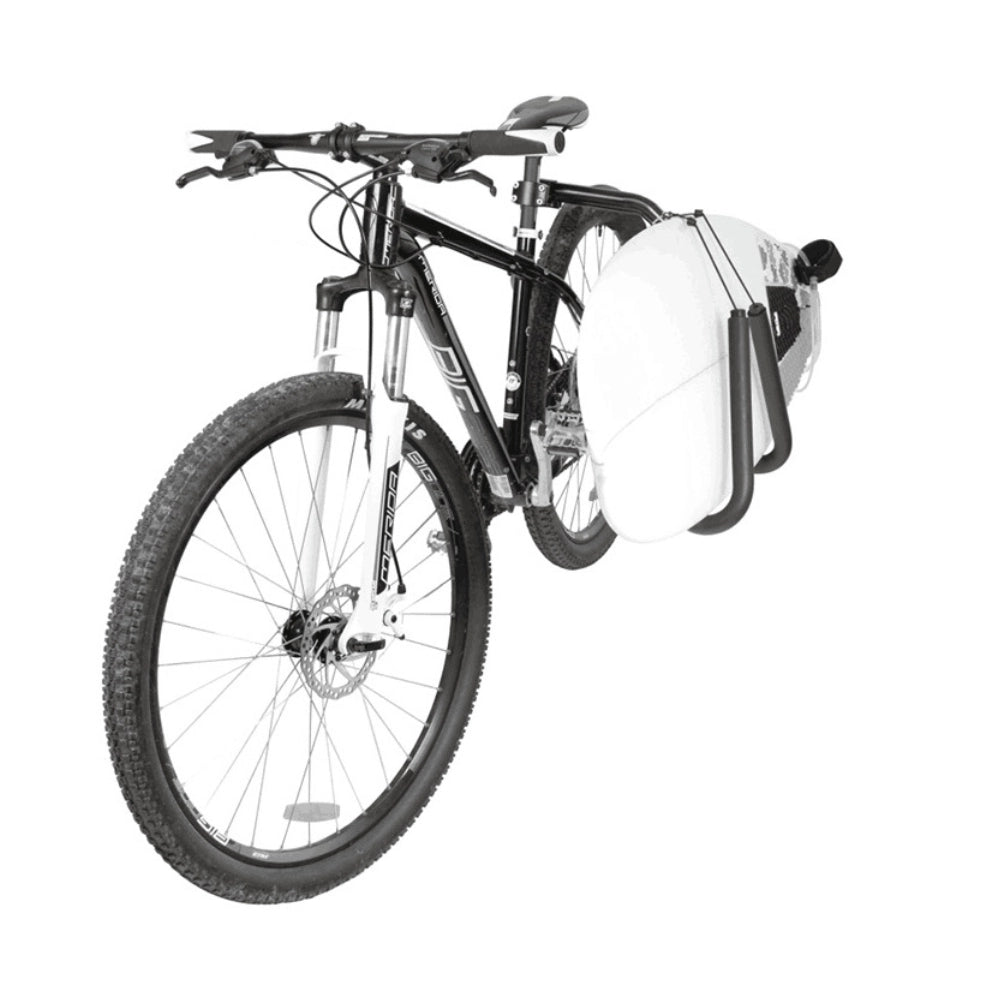
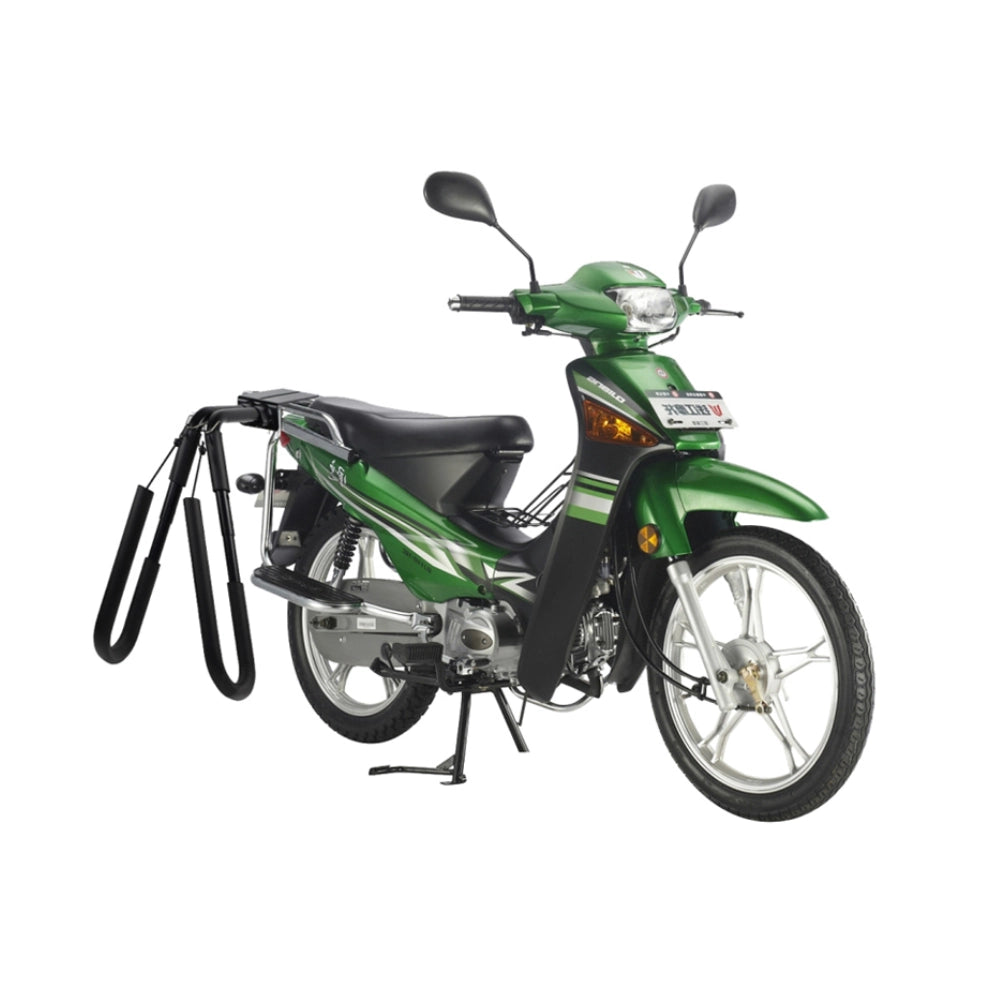
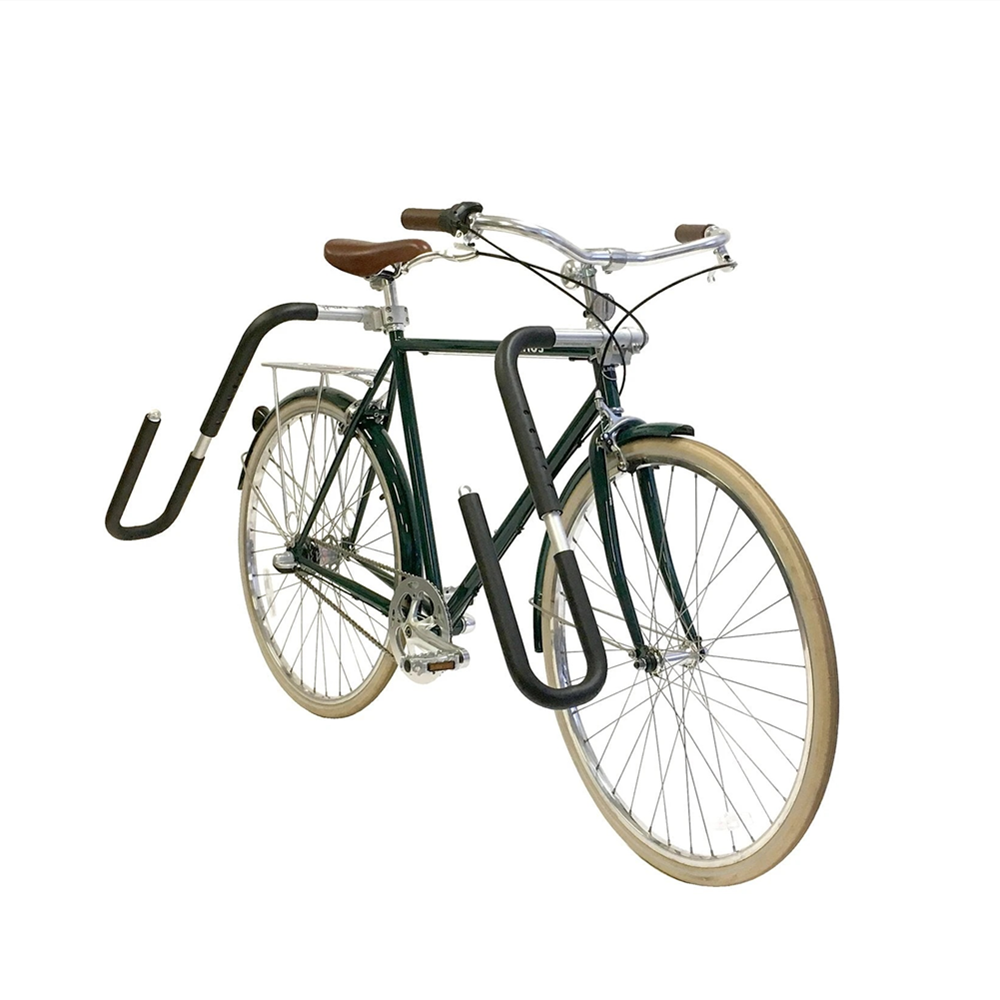
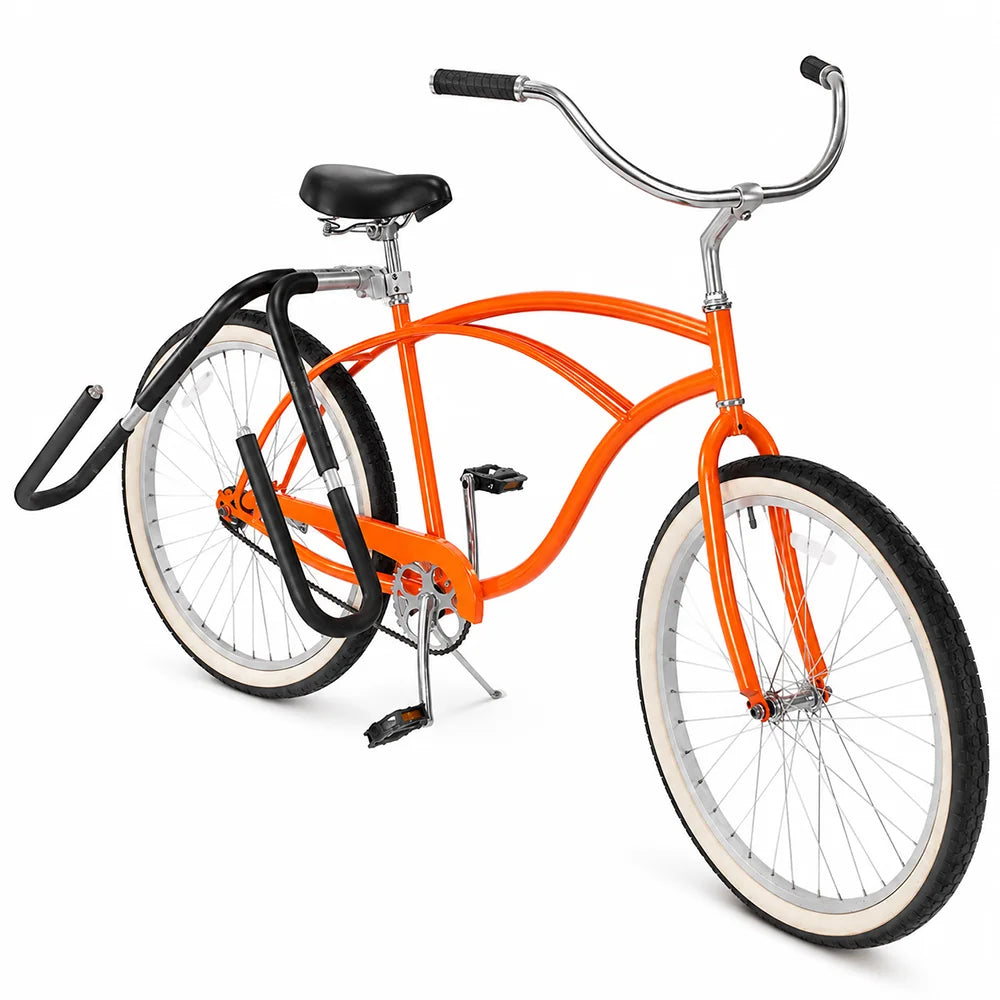
• Bike and moped rack hardware
• Dry bags and changing bags
• Surfboard day bags
• Traction pads and changing mats
Pay attention to bolts, clips, zippers, swivels, and other areas where salt can collect. Avoid harsh household cleaners unless the product instructions specifically allow them.
3. Dry Everything Before Storage
Do not leave wet towels, wetsuits, or swimwear sealed inside a dry bag. Open bags fully and let the interior dry. Avoid keeping a damp surfboard inside a closed sock or padded bag for long periods.
Dry gear in a ventilated, shaded area. Prolonged UV exposure may fade fabrics and affect some plastics, foam, and elastic parts.
Check pockets, padding, seams, and folded areas for hidden moisture before putting gear away.
4. Care for Surfboard Bike and Moped Racks
Coastal air, road dust, and vibration can affect rack hardware over time.
After beach rides, wipe or rinse the frame and fittings, then dry them with a clean cloth. Regularly check that:
• Bolts remain secure
• Quick-release parts lock correctly
• Foam or silicone padding stays in place
• Straps are not cut or badly worn
• Metal parts are not bent or corroded
Store removable racks indoors when possible instead of leaving them outside in constant sun, rain, and salt air.
5. Wash Surfboard Socks and Ponchos Correctly
Knitted surfboard socks collect wax, dust, and sand, while surf ponchos absorb moisture after changing.
Before washing a surfboard sock, shake out loose sand and remove any heavy wax residue. Machine wash in cold water on a gentle cycle when permitted by the care label. Secure the drawstring and avoid bleach or strong detergents.
Microfiber surf ponchos can also be washed in cold water. Avoid fabric softener, as it may reduce absorbency. Air drying is recommended, although low-temperature tumble drying may be used when allowed by the product care label.
Make sure both products are completely dry before folding or storing them.
6. Clean Dry Bags
Waterproof bags are useful for carrying wet equipment home, but they should not become permanent storage for damp gear.
Empty the bag after every trip. Wipe or rinse the interior to remove sand, salt, sunscreen, and wax residue. Leave the opening unfolded while drying so air can circulate.
Use mild soap only when necessary. Avoid machine washing waterproof bags unless the care label confirms it is safe, as aggressive washing may affect coatings, seams, or structured parts.
7. Clean and Dry Your Changing Mat
A surf changing mat often collects sand, salt water, wax, mud, and moisture from wetsuits.
After use, shake out loose sand and rinse the surface with fresh water when necessary. Wipe away wax or sunscreen residue with a soft cloth and mild soap.
Leave the mat fully open while drying. Do not keep it tightly folded or closed while wet, as trapped moisture may cause odors or mildew.
Check the drawcord, handles, seams, and storage pouch regularly. Store the mat clean and dry, away from prolonged direct sunlight and high heat.
onto the fabric.
8. Maintain Leashes and Traction Pads
Rinse a surf leash after saltwater use and let it dry naturally away from strong heat. Inspect the cord, rail saver, cuff stitching, swivel movement, and connection points before surfing again.
Replace the leash if you notice deep cuts, cracking, damaged stitching, excessive stretching, or unreliable swivels.
To clean an EVA traction pad, rinse off salt and sand. Use fresh water and a soft brush for dirt trapped in the texture. Avoid solvents, strong cleaners, and direct high heat, which may affect the EVA or adhesive.
9. Store Surf Wax Away from Heat
Surf wax can soften or melt in direct sunlight or a hot vehicle.
Keep it in its packaging or a wax container in a cool, dry place. Separate different temperature formulas so you can quickly choose the right one for local water conditions.
If old wax becomes dirty, smooth, or full of sand, remove it before rebuilding a clean grip.
A Five-Minute Post-Surf Routine
After each session:
1. Shake off loose sand.
2. Rinse salt from exposed gear.
3. Empty wet bags.
4. Dry everything completely.
5. Inspect straps, bolts, seams, cords, and padding.
These small steps help keep surf equipment clean, functional, and ready for future sessions.
Frequently Asked Questions
Should surf gear be rinsed after every session?
Gear exposed to salt water should be rinsed with fresh water whenever practical, especially leashes, metal hardware, zippers, racks, and bags.
Can I leave a wet wetsuit inside a dry bag?
A dry bag can carry wet equipment home, but remove it soon afterward and dry both the gear and the bag before storage.
Can surfboard socks be machine washed?
Many knitted surfboard socks can be washed cold on a gentle cycle. Check the care label and air dry fully.
How should I store a surfboard bike rack?
Clean and dry it, inspect its hardware and padding, and keep removable parts away from long-term sun, rain, and salt exposure.
What is the most important surf gear care rule?
Do not store equipment while it is wet or covered in salt and sand. Clean, dry, inspect, and ventilate it first.