How to Keep Wet Surf Gear From Soaking Your Car, Bike, or Apartment?
Use a simple wet-to-dry system after every session: shake off sand, change on a mat, separate soaked items from dry gear, and unpack everything at home. A dry bag or dry backpack can contain wet wetsuits, towels, and sandals during transport, but drying happens afterward.
Wet surf gear is a storage problem that starts before you leave the beach. If a wetsuit, towel, poncho, and sandy sandals spread across your trunk, bike setup, or apartment entryway, water and sand travel fast. Keep wet gear controlled until it can be rinsed, dried, and stored.
Start With a Simple Wet Gear System
The easiest way to keep wet surf gear from soaking everything is to separate items before they reach your car, bike bag, or floor.
- Shake off loose sand first. Focus on wetsuit ankles, sandals, towels, and changing mats.
- Change on one contained surface. A mat, towel, or bucket-style changing bag keeps wet feet and sandy neoprene contained.
- Pack soaked gear into one container.
Waterproof dry bags for wet surf gear are useful during the ride home, as long as you unpack them later. - Keep dry items outside the wet zone. Phones, keys, dry clothes, and clean towels should not share space with soaked gear.
How to Keep Wet Surf Gear From Soaking Your Car?
For cars, contain wet gear before it touches seats, carpet, or trunk lining. Change before entering the car when possible, then pack wet items.
- Use one wet-storage container.
Put your wetsuit, towel, sandals, and swimwear into a dry bag, dry backpack, or bucket-style changing bag. - Choose the shape based on how you change.
A compact dry bag works for one wetsuit and small wet items. A 30L Beach Changing Bucket Bag gives you a wider opening for changing. - Do not treat the bag as long-term storage.
It protects the car during transport, but wet gear should be opened, rinsed if needed, and dried at home.
Avoid leaving sealed wet gear in a hot car. Wetsuit care guidance commonly warns against heat, direct sun, and storing neoprene wet.
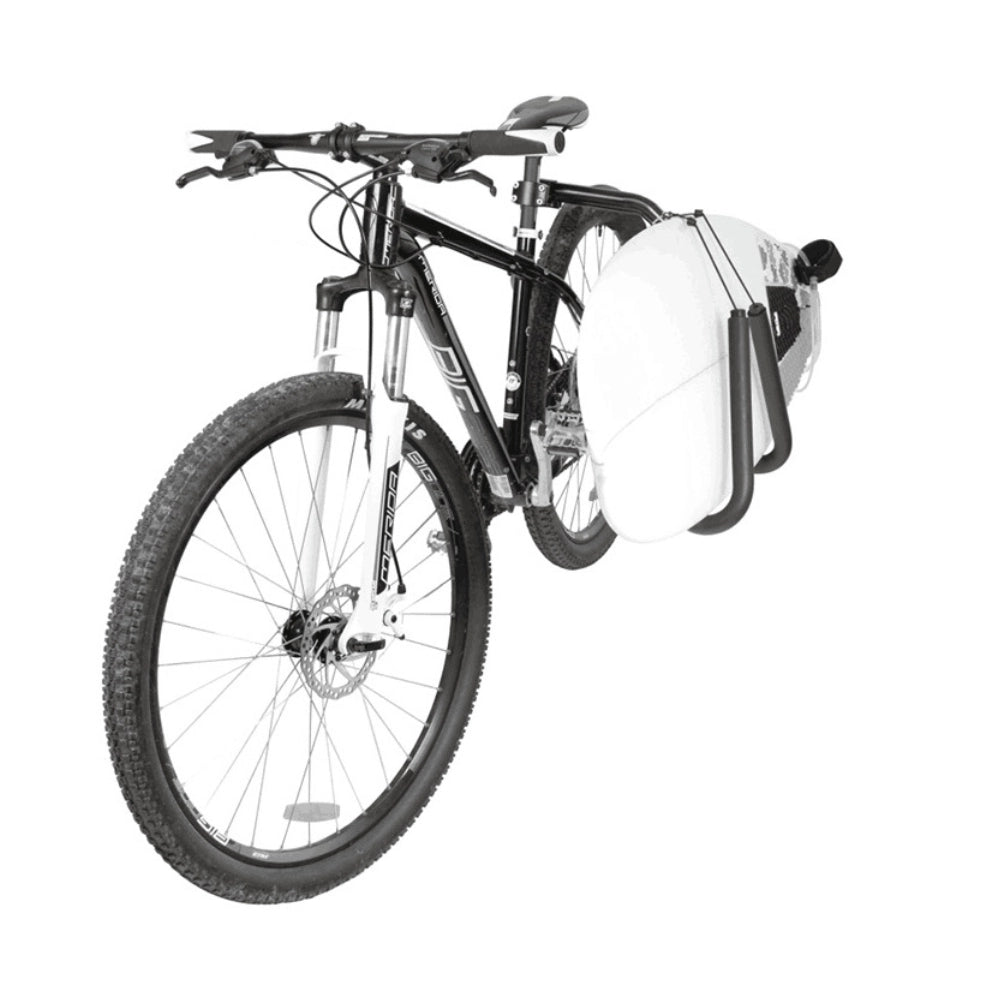
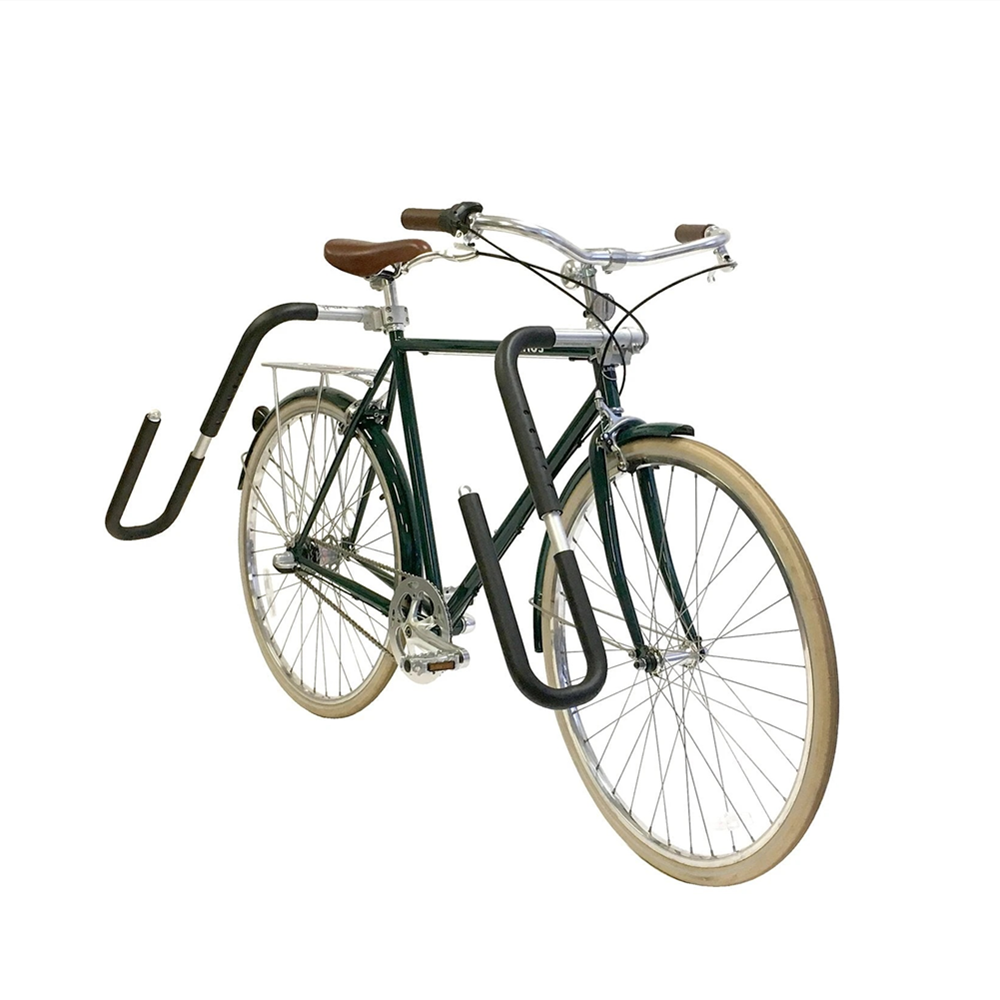
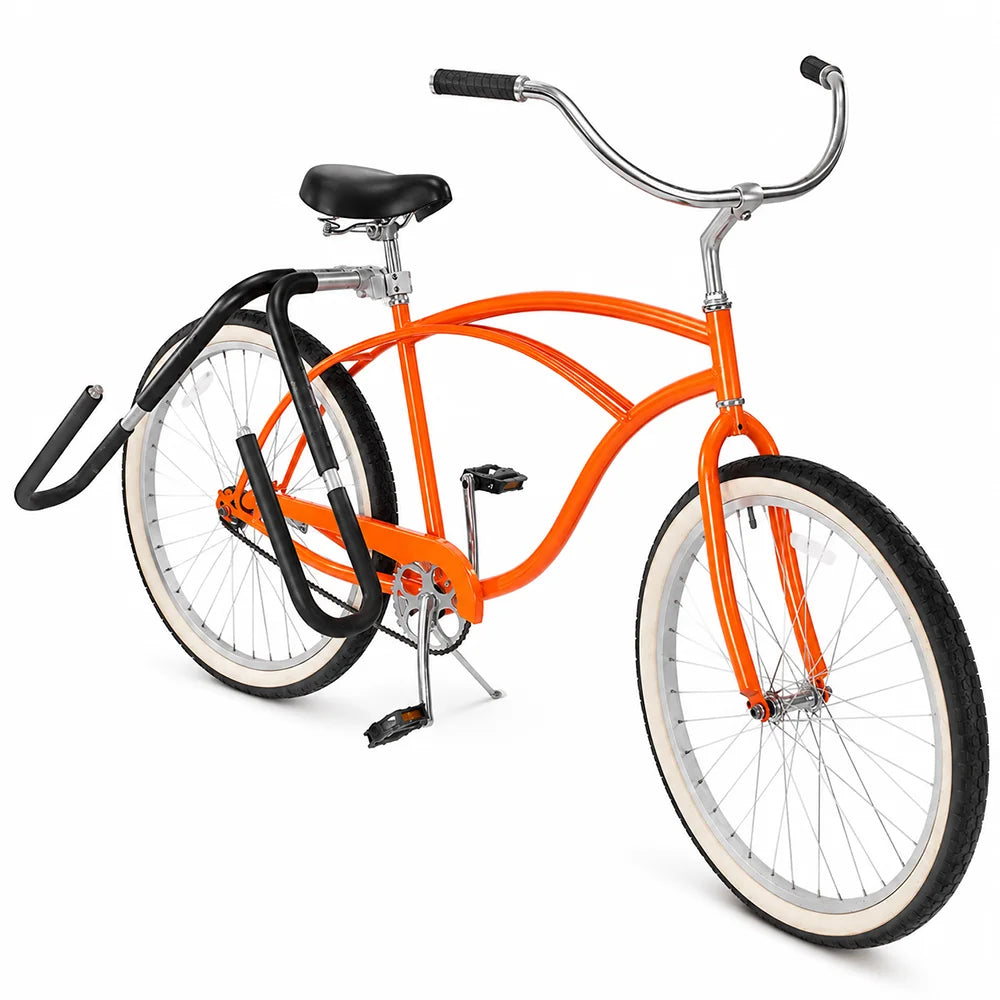
How to Carry Wet Gear by Bike Without Dripping Everywhere?
Bike transport needs secure carrying as much as water control. Loose towels, swinging bags, and dangling wetsuit sleeves make riding harder.
- Keep the load balanced.
A backpack-style setup is usually better than carrying a wet bag by hand while riding. - Separate wet gear from valuables.
Your phone, wallet, keys, and dry layers should stay in a dry pocket or separate bag. - Avoid loose straps or hanging fabric.
If you use a rack or basket, keep the load firm and clear of the wheel, chain, and pedals.
For surfers who bike or walk home, 32L dry backpack for wet gear storage is a practical category to compare with smaller dry bags.
How to Store Wet Surf Gear in a Small Apartment?
Small apartments need a drop zone near the door, bathroom, shower, or balcony if your building allows it. Stop sand and water early.
- Shake and sort before entering.
Remove loose sand outside when possible, then bring wet items to the drop zone. - Rinse only where it makes sense.
If gear is very sandy or salty, rinse it where grit will not cause drainage problems. - Dry with airflow.
Hang or lay gear where water can drain safely. Damp wetsuits, ponchos, and towels should not stay sealed.
A changing mat can create a temporary wet zone for sandy feet, wet neoprene, and dripping accessories.
What Gear Helps Control Water, Sand, and Changing Mess?
Choose gear based on how you leave the beach.
- Dry bag: Best for compact wet storage after beach sessions, especially when you drive.
- Dry backpack: Better when you walk, bike, or need hands-free carrying.
- Surf poncho:Helps you dry off and change before packing wet gear. A quick-dry surf poncho fits beach-changing routines.
- 4. Changing mat: Helps keep feet clean and gives wet gear a short-term landing spot before it goes into the bag.
The best setup is simple: change cleanly, contain wet items, carry them home, and dry everything fully.
What Should You Do When You Get Home?
Transport is only half the system. Wet surf gear still needs care at home.
- Empty wet bags promptly.
A dry bag, bucket bag, or backpack controls water during transport, but should not hold damp gear long term. - Rinse or shake out gear as needed.
Fresh-water rinsing helps remove salt and sand from wetsuits and accessories. - Air dry fully before storage.
Wetsuit care sources commonly recommend drying out of direct sunlight and avoiding sealed damp storage. - Clean the container too.
If your bag or mat collected saltwater, sunscreen, or sand, wipe or rinse it and let it dry. - Frequently Asked Questions
Can I leave a wet wetsuit in a dry bag overnight?
It is better not to. A dry bag is useful for carrying wet gear home, but damp neoprene and towels should be removed and dried as soon as practical. Long sealed storage can lead to odor.
Is a dry bag or dry backpack better for wet surf gear?
Use a dry bag if you drive and mainly need trunk or backseat containment. Use a dry backpack if you walk, bike, or carry more gear from the beach. Choose based on transport and load size.
How do I stop sand from getting into my apartment?
Shake gear outside, change on a mat, and create a drop zone near the door, bathroom, shower, or balcony. Keep sandy items in one place until they can be rinsed or dried.
Conclusion
Wet surf gear is easiest to manage when you separate it early, carry it in one contained place, and dry it quickly at home. Choose a dry bag or bucket bag for car use, a dry backpack for riding or walking, and a poncho plus changing mat for cleaner transitions.