How to Carry a Longboard on a Bicycle Safely
Cycling to the beach is a convenient way to avoid parking problems and reduce the hassle of carrying your surf gear.
However, transporting a longboard is more challenging than carrying a shortboard. Its extra length creates more wind resistance, increases the width of your bicycle and requires better support at both ends.
With the right bicycle rack and a careful setup, you can carry a longboard safely and comfortably.
Quick Answer
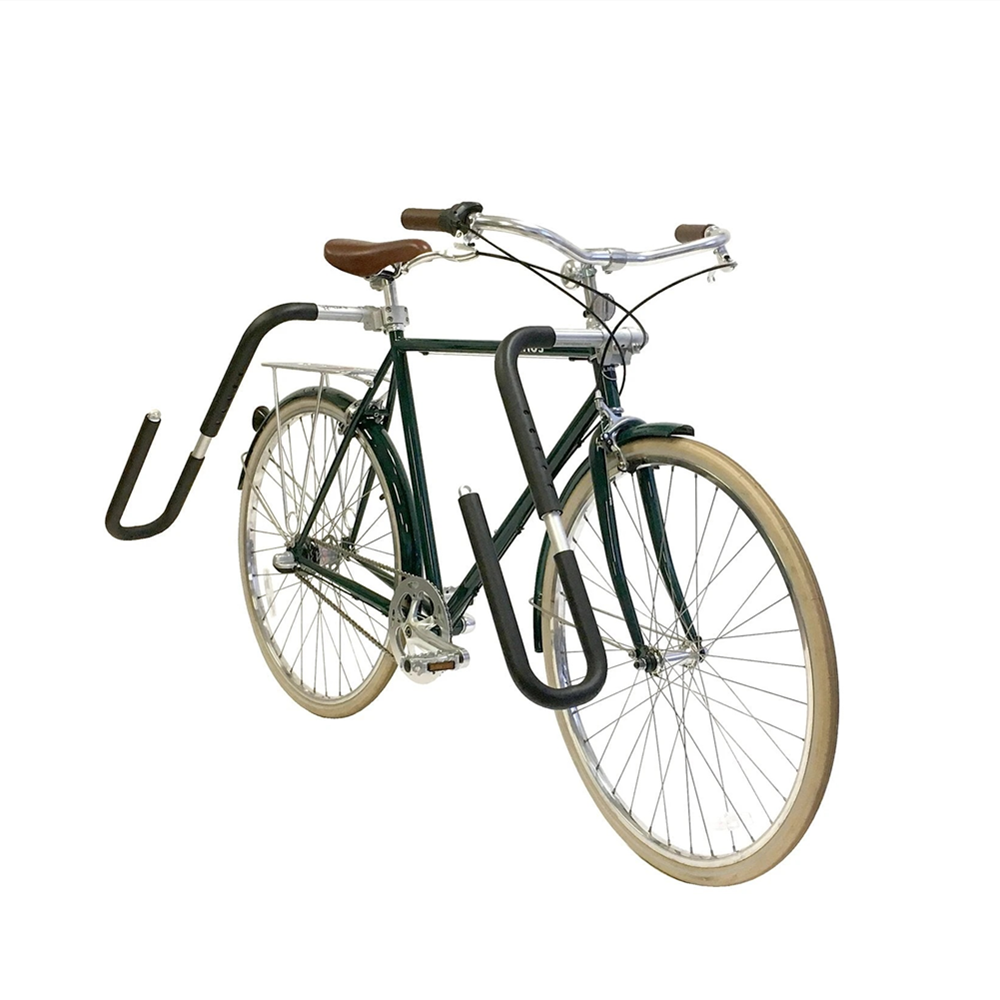
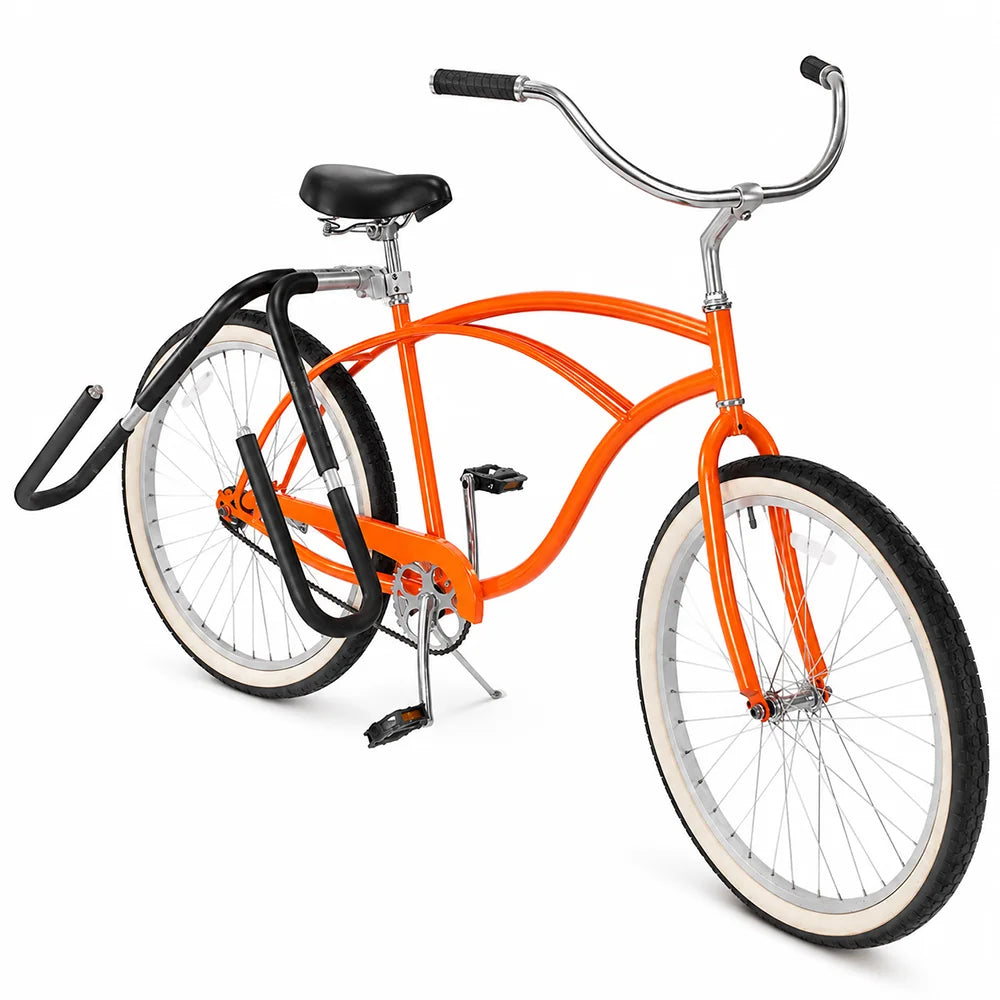
The safest way to carry a longboard on a bicycle is to use a two-piece side-mounted rack with extended support arms.
The front and rear supports distribute the board’s weight more evenly and help prevent the nose or tail from swinging while riding.
Before leaving, always check that:
- The rack is securely installed
- The board is supported at two points
- All straps are tightened
- The fins are clear of the bicycle
- The board does not touch the wheels or pedals
- Wind and road conditions are suitable
1. Choose a Rack Designed for Longboards
A basic shortboard rack may not provide enough support for a longboard.
Because longboards are longer and often heavier, they create more leverage when the bicycle turns, brakes or encounters crosswinds. If the rack supports only the middle of the board, the nose and tail may move excessively.
A suitable longboard bicycle rack should include:
- Separate front and rear supports
- Extended support arms
- Strong mounting hardware
- Protective padding
- Adjustable securing straps
A two-piece rack is particularly useful because the supports can be installed farther apart. This reduces movement and provides better control over the full length of the board.
2. Install the Rack Securely
Before loading your board, inspect the bicycle and identify strong mounting points.
Do not attach the rack to damaged frame sections, loose accessories, plastic covers or areas that interfere with brake and gear cables.
After installation:
- Tighten all bolts evenly
- Confirm that both supports are aligned
- Push and pull the arms by hand
- Check that the rack does not rotate or slide
The rack should feel like a stable part of the bicycle.
After your first short test ride, check the hardware again. New fittings may settle slightly during initial use.
3. Position the Longboard Correctly
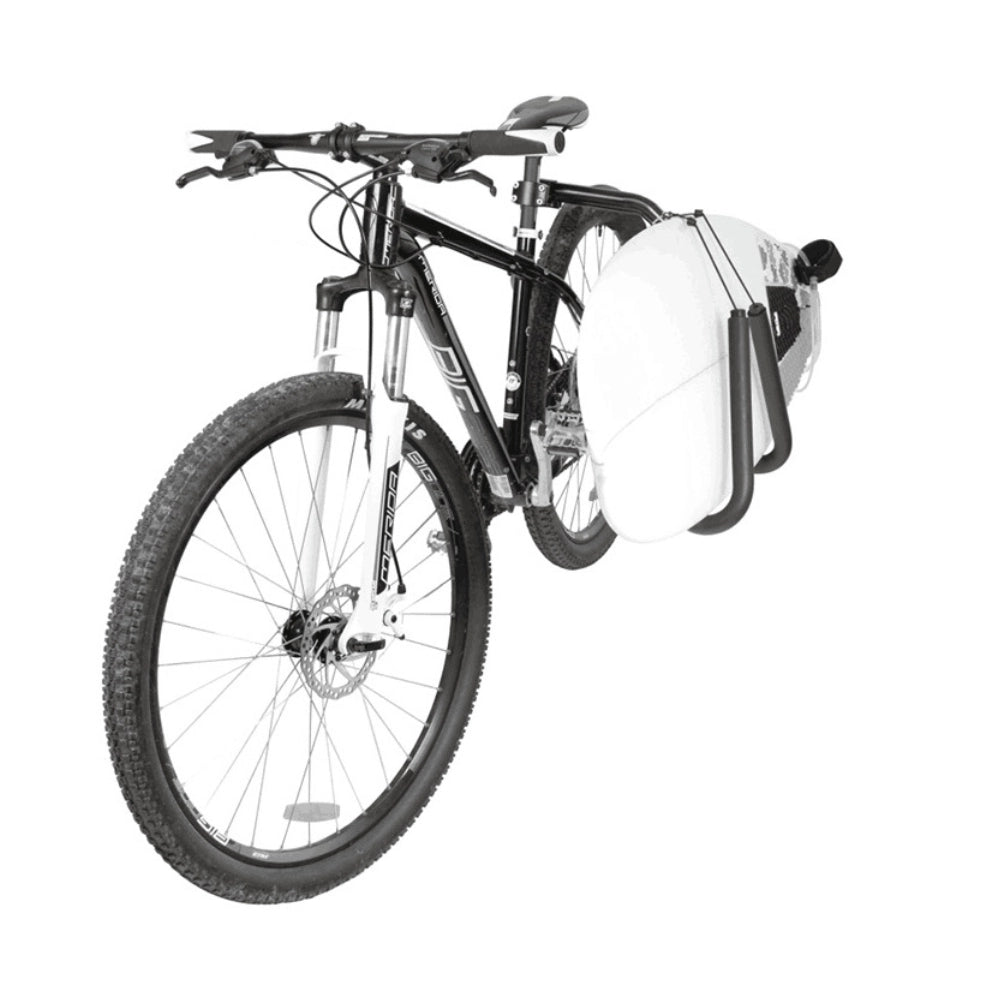
Place the longboard parallel to the bicycle and evenly across the front and rear supports.
Avoid positioning too much of the board in front of or behind the bicycle. An unbalanced board can make steering less predictable and place unnecessary pressure on one section of the rack.
Move the board slightly forward or backward until the weight feels evenly distributed.
Also check the fins. They must remain clear of:
- The bicycle frame
- The support arms
- The wheels
- The pedals
- The ground
The best fin direction depends on your board and bicycle setup. Choose the position that provides the most clearance.
4. Secure the Board at Both Points
Never rely only on the shape of the rack to hold your longboard.
Use the supplied straps to secure the board at both the front and rear supports. The straps should be tight enough to prevent sliding, lifting or rotation without putting excessive pressure on the rails.
After tightening the straps, gently move the nose and tail.
The board should not:
- Slide forward or backward
- Lift out of the rack
- Rotate inside the supports
- Swing freely at either end
- Touch the bicycle frame
Secure all loose strap ends so they cannot reach the chain, pedals or wheels.
Protective padding should cover every point where the rack contacts the board. This helps prevent scratches and pressure marks during transport.
5. Check the Bicycle’s Clearance
Before riding, walk the loaded bicycle for a short distance.
Turn the handlebars fully in both directions and rotate the pedals by hand. Make sure the board and rack do not interfere with normal bicycle movement.
Check clearance from:
- Front and rear wheels
- Pedals and crank arms
- Your legs and feet
- The chain and gears
- The ground
Remember that a side-mounted longboard makes the bicycle significantly wider. Allow extra space when passing parked cars, gates, posts, pedestrians and other cyclists.
6. Choose a Safe Route
Route selection is especially important when carrying a longboard.
Whenever possible, choose:
- Quiet coastal roads
- Wide bicycle paths
- Smooth surfaces
- Lower-speed areas
- Routes with fewer sharp turns
Avoid heavy traffic, narrow lanes, steep hills, potholes and rough gravel.
Longboards also catch more wind than shortboards. Strong crosswinds can push against the board and affect your direction.
Check the weather before leaving. When winds are strong or unpredictable, use another form of transport.
7. Adjust Your Riding Style
Your bicycle will feel different with a longboard attached.
Begin with a short test ride in a quiet area. This allows you to understand the bicycle’s balance, width and braking distance before entering traffic.
While riding:
- Keep your speed moderate
- Brake earlier than usual
- Take wider, slower turns
- Avoid sudden steering movements
- Keep both hands on the handlebars
- Leave extra space around obstacles
- Watch carefully for crosswinds
A bicycle rack makes longboard transport easier, but careful riding is still essential.
Longboard Bicycle Safety Checklist
Before every trip, confirm that:
- Mounting bolts are tight
- Support arms do not move
- Padding is secure
- Both straps are tightened
- Loose strap ends are secured
- The board is evenly positioned
- The fins have enough clearance
- The board does not touch the wheels or pedals
- The bicycle brakes and tires are working properly
- Weather conditions are suitable
This quick inspection can prevent most common transport problems.
A Practical Rack for Longboard Transport
The Wild Surf Gear SS-SR03 Longboard Bike Rack is designed for riders who need more support than a standard shortboard carrier can provide.
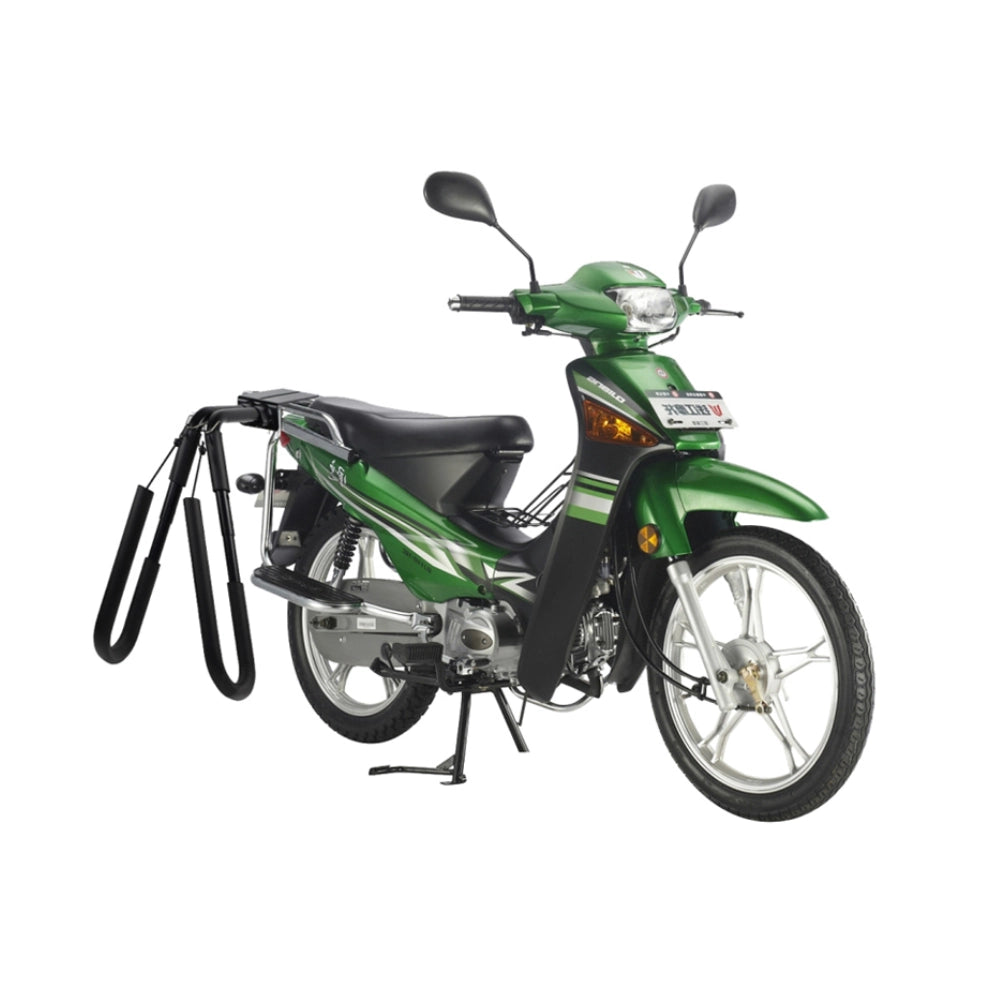
Its two-piece side-mounted structure supports the board at both the front and rear, helping reduce movement along the full length of the longboard.
The extended support arms provide additional space for longboards, funboards and other larger lightweight surfboards.
The SS-SR03 also features an aluminum alloy structure and soft protective padding to help prevent direct contact between the rack and the board.
It is suitable for:
- Longboard surfers
- Funboard riders
- Coastal bicycle commuters
- Surf schools
- Rental shops
- Surf retailers
The rack is intended for controlled local trips to the beach. It should not be used for high-speed riding, severe weather or difficult off-road terrain.
Frequently Asked Questions
Can I carry a longboard on a normal bicycle?
Yes, provided that the bicycle has suitable mounting points and enough clearance for a purpose-built longboard rack.
Can I use a shortboard rack for a longboard?
It is not recommended unless the rack manufacturer clearly confirms compatibility. Longboards usually require wider support spacing.
How tight should the straps be?
The straps should prevent lifting, sliding and rotation without placing unnecessary pressure on the board’s rails.
Can I ride in windy conditions?
Strong wind can make longboard transport difficult and unsafe. Avoid riding in strong or unpredictable crosswinds.
Can I carry the board inside a surfboard bag?
This depends on the combined width and weight of the board and bag. Make sure the complete setup fits securely inside the supports.
Conclusion
Carrying a longboard on a bicycle safely depends on three things: the correct rack, a secure setup and careful riding.
Use a rack that supports both the front and rear of the board, position the longboard evenly and check all straps before every trip.
For riders who regularly cycle to the beach with longer boards, the Wild Surf Gear SS-SR03 provides a practical two-piece design with extended support arms and protective padding.
Set it up carefully, choose a safe route and enjoy an easier way to reach the waves.